
Ruehlmann Medical PLLC
Compassionate, Individualized Psychiatric Care
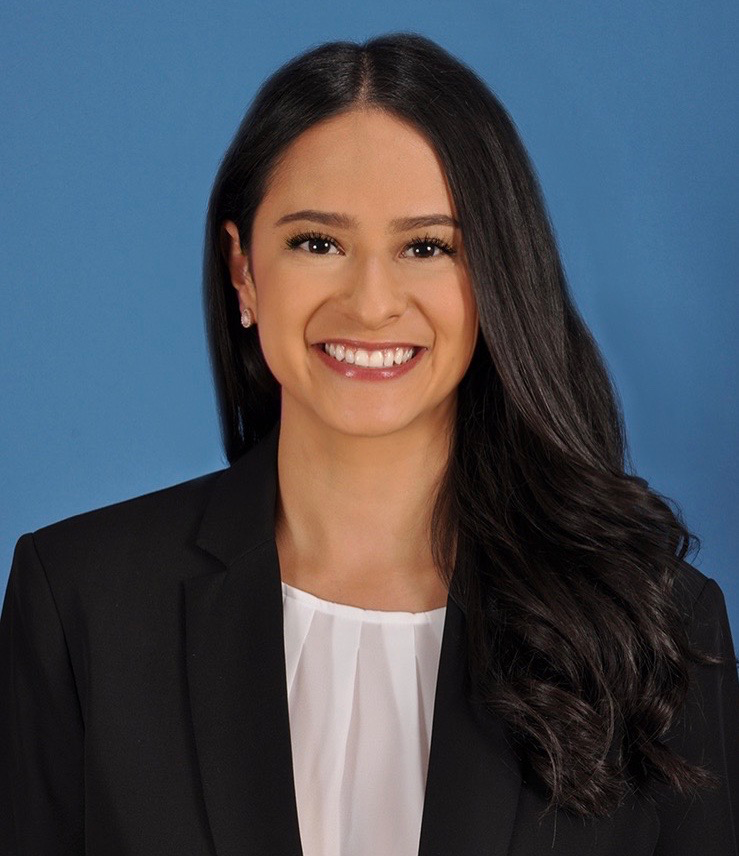
About Dr. Ruehlmann
Dr. Ruehlmann believes that effective psychiatric care begins with truly understanding each patient and their individual needs. Her approach is warm, collaborative, and developmentally informed, with an emphasis on distinguishing expected developmental challenges from concerns that may benefit from treatment. Her goal is to create a therapeutic relationship in which patients and families feel heard, understood, and supported.
Dr. Ruehlmann takes an evidence-based approach that integrates psychotherapy, behavioral strategies, family support, school collaboration, and medication when appropriate. Her measured approach to prescribing is guided by each patient's individual needs, and she works closely with patients and families to develop treatment plans that are both individualized and practical. Dr. Ruehlmann received her residency training at The University of Iowa Hospitals and Clinics, where she served as chief resident. She completed fellowship training at Northwestern Mcgaw Medical Center/Lurie Children's Hospital, where she served as chief fellow.
Our Psychiatric Services

Psychiatric Evaluation and Developmental Assessment
Comprehensive evaluations that take each patient's individual history and developmental stage into account, helping families distinguish expected developmental challenges from concerns that may benefit from treatment.

Medication Management
I take a thoughtful, individualized approach to medication management, considering each patient’s symptoms, developmental stage, medical history, and treatment goals. I prioritize evidence-based prescribing, careful monitoring, and collaboration with patients and families to optimize treatment outcomes. Medication management may be provided independently or alongside psychotherapy, with treatment plans tailored to each patient’s needs and preferences.

Psychotherapy Services
I incorporate evidence-based therapies to strengthen emotional regulation, build coping skills, and promote resilience. For children and adolescents, treatment may include parent guidance and family collaboration. Psychotherapy may be provided independently or alongside medication management, tailored to each patient’s individual needs and goals.